How Much Does It Cost to Open a BJJ Gym in 2026?

Published
· Updated
TL;DR
Opening a BJJ gym in 2026 typically costs between $10,000 and $100,000 upfront, depending on your location, facility size, and equipment choices. Monthly memberships now average $120–$200 for unlimited training. This guide breaks down every major cost category and walks you through membership models that actually work for martial arts gyms.
Opening a BJJ gym is one of the most rewarding businesses you can build — and one of the easiest to get the numbers wrong on. Whether you're scouting a first space or already running classes, knowing what your costs should be (and what your members should be paying) is the difference between a profitable academy and one that closes inside 18 months.
This is the 2026 cost breakdown for BJJ gym owners: startup investment, equipment, instructor pay, insurance, software, and the membership pricing benchmarks that actually work in your market.
What Is the Average Cost of a BJJ Gym Membership in 2026?
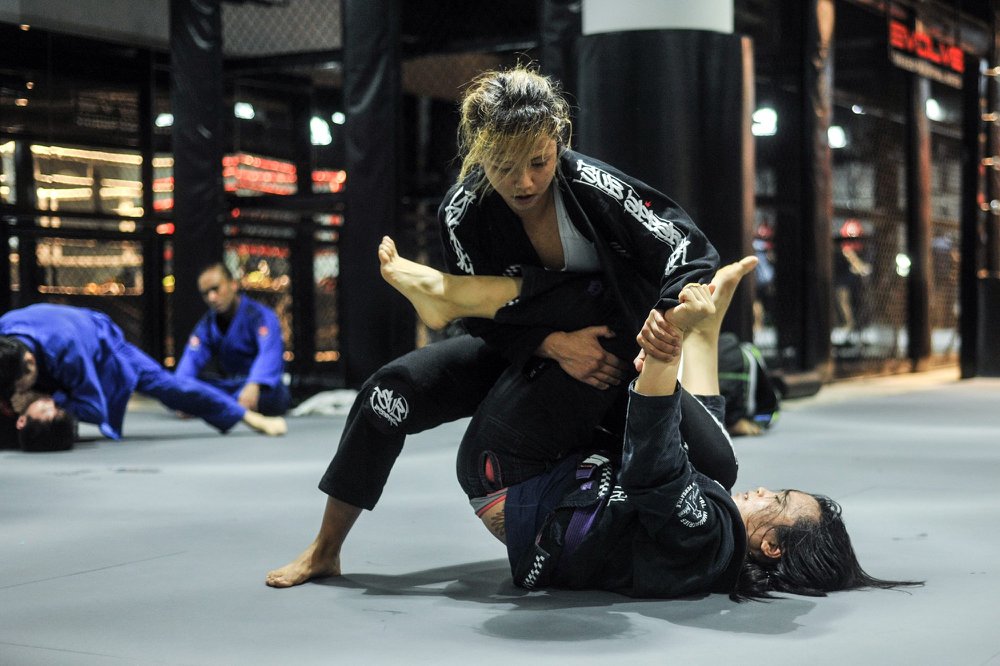
The BJJ membership market has shifted significantly this decade. Here's what the data showed heading into 2026.
The nationwide average for unlimited adult BJJ classes now sits around $145 per month, with most academies charging between $120 and $200. That's up from the $110–$175 range we saw just a few years ago, driven largely by rising rent costs and increased demand for the sport.
Pricing by location
Location is the single biggest factor in what gyms can (and should) charge.
| Market | Typical Monthly Rate (Unlimited) |
|---|---|
| Major metros (NYC, LA, SF) | $200–$300 |
| Mid-size cities | $120–$150 |
| Smaller cities and rural areas | $80–$120 |
| Elite competition academies | $250–$300+ |
Manhattan averages around $250/month. Los Angeles hovers near $220 for full access to established academies. San Francisco, Seattle, and other high-cost cities fall in that $200–$250 range.
Meanwhile, mid-size city gyms get away with $120–$150 for the same quality of instruction. The difference is rent, not coaching.
Franchise vs. independent pricing
Large franchise networks like Gracie Barra tend toward higher pricing, often $195–$250+ in prime locations. Independent gyms have more flexibility and might charge $100–$150 in the same city where a franchise charges $180–$200.
Drop-in and short-term rates
For those not ready to commit, drop-in classes typically run $20–$30 per session. Day passes cost $25–$35 and include multiple classes. Weekly passes run $40–$60 for 2–3 sessions.
The average BJJ gym member still signs up for about three classes per week. If a member pays $175/month for three weekly classes, that breaks down to roughly $14 per class. That's a strong value proposition when you frame it right.
BJJ Membership Models That Actually Work
This is where most new BJJ gym owners leave money on the table. You don't need to offer a single flat rate and hope for the best. The most successful martial arts gyms run tiered pricing that serves different types of students while protecting revenue.
Tiered frequency-based pricing
The most common (and effective) model for BJJ:
| Tier | Monthly Rate | Per-Class Value | Best For |
|---|---|---|---|
| 3x/week (Unlimited) Best Value | $175–$200 | ~$14–$16 | Serious practitioners, competitors |
| 2x/week | $125–$150 | ~$15–$19 | Consistent hobbyists |
| 1x/week | $80–$100 | ~$20–$25 | Beginners, casual students |
More classes means a better per-class deal for the member. That's the incentive to upgrade tiers. For your gym, higher tiers mean more predictable revenue and stickier members.
Unlimited membership model
Many BJJ academies are shifting toward a single unlimited membership at a flat rate ($150–$200/month) rather than tiered plans. The upside: simpler to sell, simpler to manage, and members who train more often tend to stay longer. The downside: you may lose price-sensitive students who would have joined at a lower tier.
Contract vs. month-to-month
Long-term contracts (6–12 months) remain common in BJJ. They reduce churn and give you financial predictability. Many gyms offer a meaningful discount for annual commitments. For example, a gym charging $250 month-to-month might drop to $175/month on an annual plan.
Month-to-month plans attract members who aren't ready to commit, but they also churn faster. A good middle ground: offer a small discount (10–15%) for a 6-month commitment, and a larger one (15–25%) for 12 months.
Family and kids programs
BJJ gyms with kids programs tap a massive revenue stream. Family memberships (one adult + one child) typically save $30–$50/month versus separate memberships and drive stronger retention because the whole family is invested.
Kids-only programs typically price at $80–$120/month depending on market, with most running 2x/week.
Open gym access (no classes)
Consider creating a separate "Gym Access" tier for practitioners who want to drill on their own without attending a formal class. Price it at roughly half your cheapest package ($40–$60/month). All you're providing is space and mats during operational hours, but it's recurring revenue with minimal additional overhead.
Founder's rate and intro offers
Offering a discounted "Founder's Rate" during your first 3–6 months builds your initial member base fast. Lock early members into a rate $20–$30 below your standard pricing in exchange for a 12-month commitment. These members become your core community.
For intro offers, a free trial class or a 2-week intro package ($49–$79) gives prospects a low-risk way to experience your gym before committing.
Pro Tip: Managing multiple membership tiers, contracts, and intro offers gets complicated fast. That's where gym management software like PushPress comes in. You can set up unlimited membership types, automate billing, and track which tiers are actually driving revenue. Book a demo to see how it works for martial arts gyms →
Cost Breakdown of Opening a BJJ Gym in 2026
We've covered what to charge. Now let's talk about what you'll spend to open the doors.
The total startup investment for a BJJ gym in 2026 ranges from $10,000 to $100,000, depending on your location, space, and how much you DIY. Here's where that money goes.
Facility and lease costs
Your biggest ongoing expense. The average cost of commercial space in the US runs between $15 and $35 per square foot per year depending on the market.
| Space Type | Typical Size | Annual Cost Range |
|---|---|---|
| Office / retail space | 2,000 sq ft | $30,000–$70,000 |
| Warehouse / industrial | 3,000–4,000 sq ft | $25,500–$56,000 |
| Strip mall unit | 1,500–2,500 sq ft | $22,500–$62,500 |
Expect to put down 2–3 months' rent upfront for deposits. Budget another $3,000–$8,000 for renovations like changing rooms, showers, signage, and basic build-out.
BJJ gyms need at least 1,500 to 3,000 square feet to operate comfortably, with room to grow. Don't sign a lease for a space you'll outgrow in 12 months.
BJJ Equipment
This is your core startup cost. Everything here is included in your membership as part of the service.
Mats
Your single most important equipment purchase. You have two main options:
Permanent rubber flooring: In a 12 ft × 12 ft space, you're looking at $800–$1,200 to lay down rubber flooring, roughly $5.50–$7.50 per square foot installed. For a full training area (1,500 sq ft), budget $10,500–$15,000.
Rollout puzzle mats: If you want flexibility to rearrange your space, puzzle mats run $5.00–$6.00 per square foot with no installation cost. These are less expensive, easier to replace, and let you reconfigure the floor as your gym evolves.
Gi's
The gi is the standard uniform for BJJ. Most gyms make it a requirement for athletes to bring their own. You can keep a small inventory for rentals or new students who haven't purchased one yet. A quality gi runs $60–$100 retail. If you stock rentals, budget for cleaning and replacement.
Guards and tapes
Mouth guards are a personal expense. Require them for your classes and have recommendations ready for clients. Quality guards run $27–$95 depending on specificity.
Athletic tape is cheap ($9–$12 per roll for 25–30 feet) and you should always have rolls available for your athletes.
Pads and protective gear
Knee pads, shin guards, and similar protective gear. Most athletes don't bring their own, so stock a variety of sizes. Knee pads average $18 each or $30 per pair. Keep these cleaned and maintained.
Grappling dummies and other equipment
Dummies range from $40 to $200+ depending on quality. Headgear runs $25–$40 per piece. Foam rollers, resistance bands, and recovery tools are inexpensive additions that round out your equipment inventory.
A unique equipment selection can help your gym stand out. Don't be afraid to add things you wouldn't normally see in a BJJ gym if they serve your athletes.
Personnel and instructor costs
You need instructors. This is your second biggest ongoing cost after rent.
The data on BJJ instructor pay in 2026:
| Structure | Range |
|---|---|
| Per-class rate | $25–$100 per class |
| Smaller academy (<150 members) | $30,000–$50,000/yr |
| Mid-size academy (150–250 members) | $50,000–$70,000/yr |
| Large or urban academy | $70,000–$100,000/yr |
A good rule of thumb: budget 25–35% of your monthly recurring revenue for instructor pay.
There's also the freelance instructor model. You provide the space. The instructor teaches classes and brings in their own students. You take a percentage of each class membership under that instructor. The benefit: instructors are motivated to fill classes, which reduces your customer acquisition cost significantly.
Insurance
Don't skip this. BJJ is a contact sport. Liability insurance for a martial arts gym typically runs $1,200–$3,000/year depending on your coverage level, location, and member count. PushPress Insurance offers flexible options built specifically for gyms like yours.
Software and operations
Running a BJJ gym means managing memberships, billing, scheduling, waivers, and communications. Doing this manually with spreadsheets breaks down fast.
Budget $100–$300/month for gym management software depending on your feature needs and member count. The right platform pays for itself by reducing failed payments, automating admin work, and giving you visibility into which parts of your business are actually making money.
Built for martial arts gyms:PushPress Core handles billing, scheduling, member management, and reporting in one platform. Pair it with PushPress Grow to automate lead follow-up and fill your intro classes without manual outreach. See how PushPress works for BJJ and martial arts gyms →
Total startup cost summary
| Category | Low End | High End |
|---|---|---|
| Lease (first 3 months + deposit) | $5,000 | $25,000 |
| Facility build-out | $3,000 | $10,000 |
| Mats and flooring | $7,500 | $15,000 |
| Equipment (pads, dummies, gear) | $1,500 | $5,000 |
| Insurance (annual) | $1,200 | $3,000 |
| Software and tech setup | $300 | $1,000 |
| Marketing and signage | $1,000 | $5,000 |
| Total | $19,500 | $64,000 |
Your actual number will depend heavily on your market and how much you can bootstrap. Some owners open for under $20,000 by finding cheap warehouse space and starting with the basics. Others invest $75,000+ to build a polished facility from day one.
🥋 Running a BJJ academy? The numbers below are what your members pay — or could be paying. PushPress is the software 1,000+ martial arts gyms use to handle billing, belt promotions, and family memberships without the headache.
See how PushPress works for BJJ academies →
How Long Until You Break Even?
This is the question every prospective gym owner really wants answered.
Let's run rough numbers. If your monthly overhead (rent, instructors, insurance, software, utilities) totals $8,000/month and your average membership is $150/month, you need about 54 paying members to cover operating costs. Every member beyond that is profit.
Most BJJ gyms that execute well on marketing and retention reach profitability within 12–18 months. The ones that struggle usually underinvest in two areas: lead generation and member retention software.
Stop losing leads: The average gym loses 30–50% of leads before they ever walk in the door. PushPress Grow automates text and email follow-up so every lead gets a response within minutes, not days. See it in action →
Why BJJ Classes Are Worth the Premium
Electricity bills, instructor salaries, equipment maintenance — these all factor in. But the real reason BJJ commands premium pricing is that you're teaching a skill, not just providing access to equipment.
Running a gym where people come and go to use equipment on their own doesn't require much staffing. A BJJ academy is different. You're delivering structured instruction in a martial art that can genuinely change someone's life, their confidence, their fitness, their personal safety.
Don't undervalue that. Price accordingly, deliver real instruction, and build a community around your mat space.

Run Your BJJ Gym Like a Business, Not a Hobby
Opening a BJJ gym is one thing. Running it profitably is another.
The gym owners who succeed long-term have systems for billing, lead management, scheduling, and member communication that don't depend on manual effort.
PushPress is built for independent gym owners running martial arts academies, CrossFit boxes, and training facilities. It handles the business side so you can focus on what you actually got into this for: coaching.
What PushPress gives martial arts gym owners:
- Automated billing with smart retry on failed payments
- Class scheduling and capacity management
- Lead CRM and automated follow-up (with PushPress Grow)
- Member check-ins, waivers, and communication
- A branded member app with your gym's name on it
- Workout tracking and programming delivery (with PushPress Train)
BJJ Gym Owner FAQ
How much does it cost to open a BJJ gym?
Opening a BJJ gym in 2026 typically runs $10,000 to $100,000 in startup investment depending on your market, space, and how much you build out from day one. The biggest line items are facility lease and deposits ($3,000–$15,000), mats ($800–$15,000 depending on size and surface), basic equipment, insurance, and 3–6 months of operating runway. Smaller bootstrap academies open for under $20,000. Polished facilities with prime locations can run $75,000+.
What is the average BJJ gym membership in 2026?
The U.S. nationwide average for unlimited adult BJJ classes sits around $145 per month in 2026, with most academies charging between $120 and $200. Premium markets like Manhattan, LA, and San Francisco run $200–$250+. Mid-size cities typically charge $120–$150 for the same quality of instruction. The difference is rent, not coaching.
How many members do I need to break even at a BJJ gym?
It depends on your overhead, but a typical break-even calculation looks like this: if your monthly costs (rent, instructors, insurance, software, utilities) total $8,000 and your average membership is $150/month, you need about 54 paying members to cover operating costs. Every member beyond that is profit. Most BJJ gyms that execute well on marketing and retention reach profitability within 12–18 months.
How much should I pay BJJ instructors?
Budget 25–35% of your monthly recurring revenue for instructor pay. Senior coaches and head instructors typically earn more, with rates varying by market and certification. Many academies use a freelance or revenue-share model — the instructor brings their own students and takes a percentage of class memberships under them — which reduces your customer acquisition cost and aligns instructor incentives with class fill rates.
Are month-to-month or annual contracts better for BJJ gyms?
Annual contracts (6–12 months) reduce churn and give you predictable revenue, which is why they're standard at most BJJ academies. A common structure: charge $250/month month-to-month, drop to $175/month on an annual plan. Month-to-month plans attract members who aren't ready to commit but also churn faster. A good middle ground is a 10–15% discount for a 6-month commitment and 15–25% off for 12 months.
What software do BJJ gyms use to manage memberships and billing?
Most BJJ gyms use martial-arts-friendly gym management software that handles recurring billing, class scheduling, belt and rank tracking, family memberships, and a member app — typically running $100–$300/month. Platforms purpose-built for fitness businesses (rather than generic scheduling tools) are critical for the workflows BJJ owners deal with daily: stripe and belt promotions, sibling discounts, multi-program pricing for gi and no-gi, and automated retry on failed payments. PushPress is built for exactly this and offers a free Core plan for small or new academies.
Resources for Gym Owners
Playbooks, checklists and on-demand webinars — every one built from an interview with an owner who runs the system.
Ready to scale your fitness business?
Try our hassle-free gym management software loved by thousand of successful gym owners.
PushPress is the reason my gym became profitable.

Glofox Pricing in 2026: What $99 a Month Actually Gets You
Glofox publishes one number: plans starting at $99 a month. Here's what that number covers, what it doesn't, and what PushPress costs in full.
5 Best Software Options for Programming Daily Gym Workouts (2026)
Compare PushPress, Wodify, SugarWOD, btwb, and TrainHeroic for programming daily gym workouts: pricing, affiliate programming, and data integration.

Your Sales Script Has Drifted. Here's How to Retrain Your Team Before January
Nobody abandons the sales process. They lose 5% of it at a time until the close rate drops.
Follow along and build a better gym with us
Get actionable strategies and ideas to help you grow your gym and manage it successfully, in your inbox every week!