How to Scale CrossFit Workouts for Every Member

Published
· Updated

TL;DR
- Scaled doesn't mean easy. Scale to keep the intended intensity, not to make the workout comfortable.
- Kill the stigma by having coaches and respected members scale where everyone can see it.
- For members in cancer treatment, don't scale them back to nothing: use RPE instead of percentages and keep them at the same level as the class.
- If a member is in active treatment (chemo, radiation, or major surgery), bring in a cancer rehab specialist to write their programming.
One of the biggest mistakes members can make is not scaling workouts appropriately. Whether they’re trying to do too much or not doing enough, the wrong modifications can hinder results.
As coaches, we want our members to feel an appropriate level of tired at the end of the workout. If it’s a full-send WOD, we want them to feel like they have nothing more in the tank. If it’s a longer, paced workout, they should feel fatigued. But benching until we can’t lift our arms or squatting until we can’t walk down the stairs is detrimental.
On the flip side of pushing people to their breaking point, members also shouldn’t finish a workout looking fresh as a daisy. If that occurs, we’ve scaled inappropriately in the other direction.
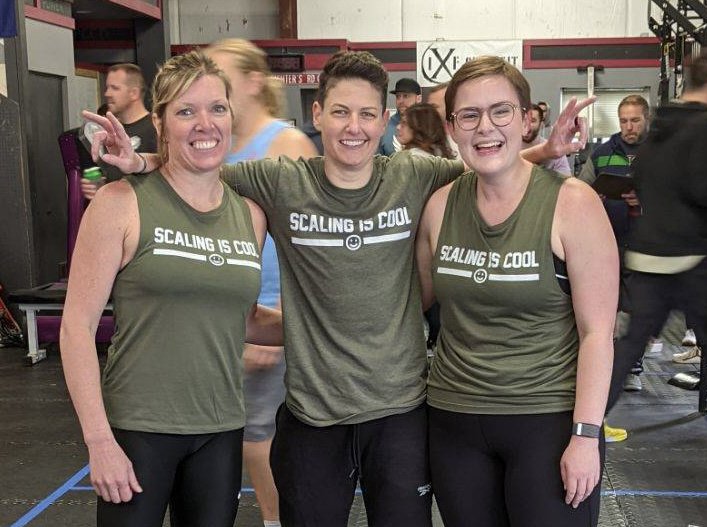
Scaling is Cool.
Scaling is changing the intensity of the workout to match a member’s fitness level. This can be done through adjusting weight, reps, distance, etc.
“A properly scaled workout safely maximizes relative intensity (load, speed, range of motion) to continue developing increased work capacity despite limitations.” - The CrossFit Journal
There are several reasons why we should promote scaling appropriately for all members. First, it promotes better technique, leading to faster improvement. Second, it reduces injury by having members work within their current abilities. Third, and perhaps most important, it improves the member experience. When coaches scale correctly, it builds and strengthens trust with members. They know they can count on coaches to provide the best possible workout options for their journey.
Remove the Stigma of Scaling Workouts.
In too many CrossFit gyms, scaling workouts has gotten a negative rap. The stigma is that scaling means you’re unable to work at the RX (or “as prescribed”) level.
The truth is, unless you’re an elite athlete competing at the highest levels, you should scale whenever necessary to continue progressing. Encouraging people to scale appropriately is just as important as getting them into the door.
Just because a workout is scaled does not mean it should be easy. Scaling doesn’t mean members will barely sweat or won’t be sore. Every workout should be challenging. Each movement should require a level of intensity that requires effort. As long as the intended intensity is preserved, the benefits still exist.
One thing to keep in mind: Sometimes it’s smart to scale certain movements while RX’ing others. For instance, let’s look at a couplet of pull-ups and power cleans. The scaled version is ring rows instead of pull-ups and lower weight on the cleans. One of your members can RX the pull-ups but is not quite strong enough to do the RX weight for the cleans. Should that member scale the pull-ups to ring rows since they’re scaling the workout? Absolutely not.
Fight Against the Ego.
Scaling workouts is generally the norm among new athletes but what about those long-term members? The ones who believe they’ve been doing CrossFit for too long to ever scale a workout again.
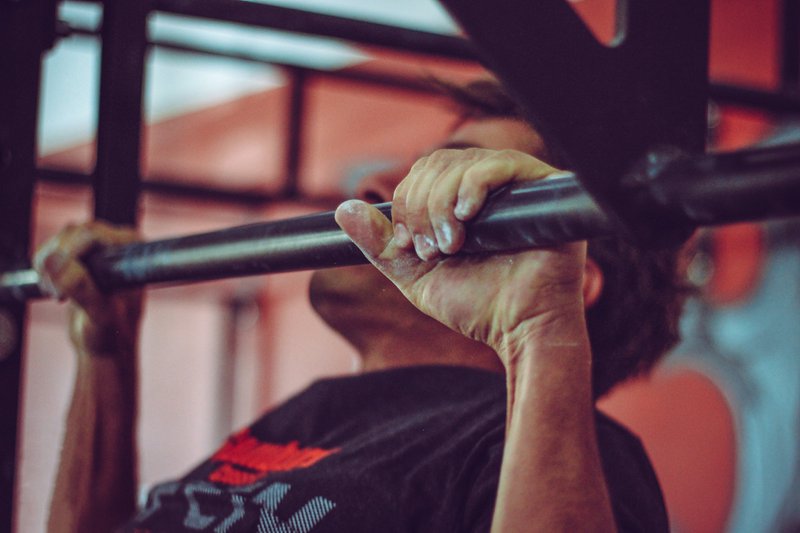
This is the gym ego. It’s the voice that says, ‘I’m doing the workout as prescribed even though I’m not at that level.’ Not only is this detrimental to progress, there’s potential for injury.
For gym owners, there’s an important lesson here: It’s all about the culture. If scaling hurts someone’s pride, it’s because we’ve created a culture that believes this. It’s our job to not only show people that scaling isn’t a sign of weakness, but instead the path to achieving goals faster. Appropriate scaling is actually a sign of fitness awareness.
You’re not only helping your members achieve their goals, you’re looking out for their safety. It takes a strong coach to talk to a member about why they should scale a workout when they weren’t going to. At first, it may be tough. But how would you feel if that person seriously hurt themself and you didn’t say anything? When a member, regardless of experience, goes into a workout beyond their level, it endangers their safety. Play it safe. Be a trustworthy coach and have the conversation.
Share the Benefits of Scaling.
Knowledge is power. There are four important benefits to educating members about scaling:
- Building confidence. Self-confidence is a huge part of exercise and scaling can be a cornerstone. As members become more proficient in movement, their confidence increases.
- Improving technique. Scaling workouts appropriately helps members dial in their technique. Over time, this gives them the ability to lift more weight and perform more reps.
- Increasing challenge. Sometimes scaling can make it even more demanding for the athlete. For instance, a scaled weight might mean an athlete can cycle a barbell faster. With no reason to stop and rest, it can turn into a cardio challenge quickly.
- Having fun. With increased confidence and performance comes enjoyment. When members are getting the appropriate stimulus and making progress, workouts become more fun! Ultimately, this will help with retention, referrals and creating an epic member experience.

Hype Up the Messengers.
The source of your message is almost as important as the message itself. Members should not hear conflicting messages between coaches. Staff should help to create a culture where scaling is suggested and acceptable.
Also, get some of your gym influencers to help out. These are members who are respected throughout your gym. If they endorse a scaling culture, members will notice.
Finally, the best leaders lead by example. Almost everyone needs to scale at some point, whether because of injury or improving a certain movement. Let members see you and your coaches scale. You’ll remove the stigma and help your members improve.
Scaling for Members in Cancer Treatment: Less Isn’t Always Safer
The short answer: scale the effort, not the person. For a member in cancer treatment, use RPE instead of percentages, keep their options at the same level as the rest of the class, and bring in a cancer rehab specialist if they’re in active treatment. What usually backfires is the instinct most coaches have, which is scaling everything way back.
Everything above assumes a member’s limit is skill or strength. In treatment, the limit is different. We dug into this on a PushStart webinar in October 2026 with Yani Fish, a CanRehab-trained cancer and exercise rehabilitation specialist and Head of Exercise Oncology at Compete for a Cure. Here’s what she wants coaches to know.
Don’t Treat Them Like Glass
“Assuming that the member is now made of glass because they’ve had a cancer diagnosis can actually… have a negative effect on their mental health,” Yani said.
She’s seen it up close. When her best friend was diagnosed with lymphoma at 29, the advice was light walking or some yoga. Her friend heard: my life is over, I should just sit in a chair. Scaling a member down to almost nothing sends the same message. Find what they can still do safely, starting from where they are now.
Use RPE Instead of Percentages
Percentages assume today’s athlete is the same one who set the PR. During treatment, that changes week to week. Yani programs off rate of perceived exertion (RPE) on a 1 to 10 scale instead. A 7 on treatment week might be a much lighter weight than last week’s 7, but the effort is real and the body still adapts.
It also takes ego out of the equation. They’re not staring at the number they used to hit. They’re thinking, “I didn’t think I’d be able to get out of bed, and I back squatted.”
Keep Them at the Same Level as the Class
Scale the movement, not their place in the room. If the class is standing, their option is standing. If the class is on the floor, they’re on the floor. Nobody gets parked at the end of the gym on a bike.
Check in before class: “Here’s what we’re doing today. How do you feel about it?” If the answer is “not today,” have a similar movement ready so they stay in the flow of the workout.
At Yani’s gym, one member is training through stage 4 bowel cancer. She’d never done CrossFit before she started at 50. Her version of the workout shows up in the gym’s app the same way everyone else’s does, her station is set up before class, and most members have no idea she’s modifying anything. That’s the bar.
When Should You Bring In a Cancer Rehab Specialist?
This is where cancer is different from a tweaked shoulder. If a member had a lump removed with no further treatment and their medical team has cleared them, you can usually treat it like a return from surgery and ease them back in. If they’re going through chemo, radiation, or major surgery, bring in a cancer rehab specialist right away. Your job is the environment. Their programming belongs to someone qualified to write it.
For the full playbook, from the first conversation to rallying your gym, read what to do when a gym member tells you they have cancer. Our free Member Diagnosis Checklist puts it on two printable pages, or you can watch the full webinar with Yani.
In Summary: Change the Scaling Narrative
The members of your gym put their fitness in your hands and trust you will guide them to success. A huge part of that success is helping them with scaling workouts appropriately. Lead by example and get your coaches on board. Create a culture where scaling is suggested and acceptable. Your members will progress faster, gain confidence and have fun. And when a member’s limits come from a diagnosis instead of a skill gap, the same rule holds: scale the work, keep them in the class, and know when to bring in an expert.
Resources for Gym Owners
Playbooks, checklists and on-demand webinars — every one built from an interview with an owner who runs the system.
Ready to scale your fitness business?
Try our hassle-free gym management software loved by thousand of successful gym owners.
PushPress is the reason my gym became profitable.

What a Meltdown on the Mat Is Really Telling You
A meltdown on the mat isn't defiance. It's a signal. Here's how to read it and respond without punishment.
Kicksite Pricing 2026: New Tiers, Processing Fees & Real Cost
What Kicksite costs at your size in 2026, the processing fee that's not on its pricing page, and what to ask.
Spark Membership Review (2026): Is It Worth It for Your School?
What Spark costs at your size, what owners say, and a quick check to see if it solves your real problem.
Follow along and build a better gym with us
Get actionable strategies and ideas to help you grow your gym and manage it successfully, in your inbox every week!