CrossFit Gym Equipment List: Everything You Need to Open a Box

Published
TL;DR
Outfitting a CrossFit gym spans more training styles than a traditional gym, so the list is long. Start with the basics: weights, quality flooring, benches, kettlebells, dumbbells, barbells, and squat racks. Add calisthenics gear (pull-up bars, dip stations), conditioning machines (rowers, air bikes, treadmills, exercise bikes), and the CrossFit signatures (plyo boxes, climbing ropes, battle ropes, tires, sleds, rings, and a GHD). Round it out with extras like belts, parallettes, and jump ropes. Then remember the equipment is only half the job: running the gym (memberships, billing, scheduling, retention) is the other half, and that's where gym management software comes in.
Opening a CrossFit gym means buying for a lot of different training styles at once. Strength, conditioning, gymnastics, and bodyweight work all live under one roof, which is why your equipment list runs longer than it would at a traditional weights-and-racks facility.
This guide walks through everything you need to outfit a CrossFit gym, organized from the must-haves to the nice-to-haves. Use it as a shopping checklist as you plan your build-out and budget for opening a CrossFit gym, and get ready to apply for CrossFit affiliation.
Basics
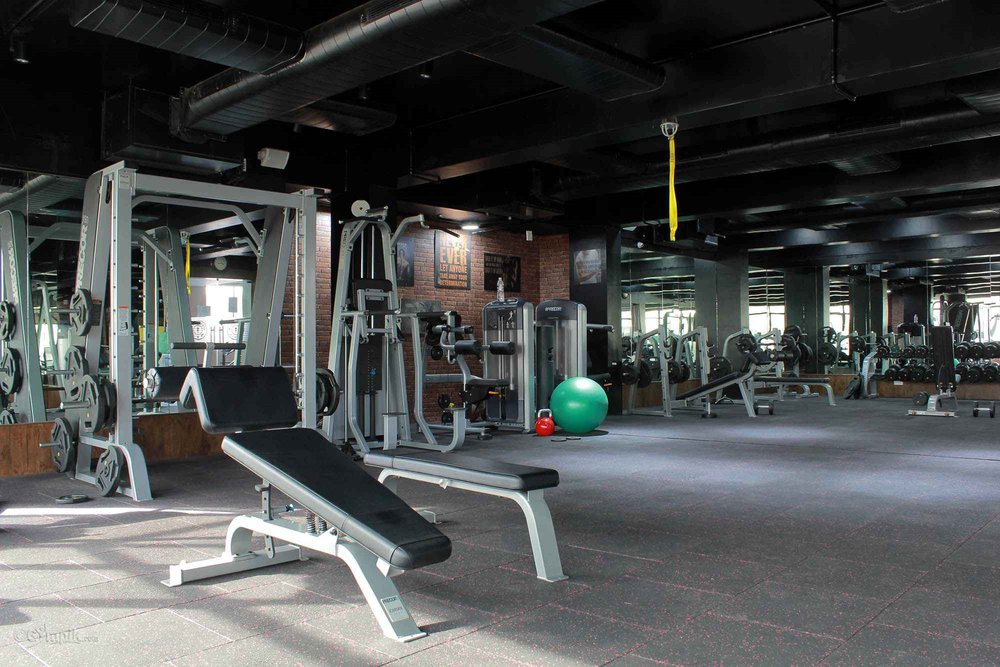
These are the foundations members expect from any serious gym. Get them right before you spend on anything specialized.
Weights
Resistance training is the backbone of CrossFit, so weights are one of the first categories to cover, and one of the broadest. Beyond the barbells and dumbbells we cover below, plan for weight collars, bumper plates, medicine balls, wall balls, and any loadable accessories like sleds. A varied selection lets members scale workouts to their level.
Flooring
Flooring is easy to overlook, but training on bare concrete is both uncomfortable and a safety hazard. Invest in high-quality rubber flooring, ideally with an anti-slip surface, and add mats under equipment to provide traction and protect both your floor and your members. For dedicated zones built around specific activities, consider fully padded sections. Sort out flooring and matting before you build out the rest of the space.
Benches
Weightlifting benches are a staple. You'll want flat utility benches for sturdy, stable seating, adjustable incline benches, and benches designed for barbell work. Quality matters here. A cheap bench is obvious the moment you sit on it, and members will use these across a range of exercises and loads, so durability is worth paying for.
Kettlebells
Kettlebells work differently from dumbbells. They shine in swings, reverse lunges, single-arm rows, and dozens of other movements core to CrossFit conditioning. Store them with your other weights. They're nearly indestructible and need almost no upkeep beyond regular cleaning, so they're a low-maintenance addition. As long as the handle is sound and the body isn't damaged, a kettlebell stays in service for years.
Dumbbells
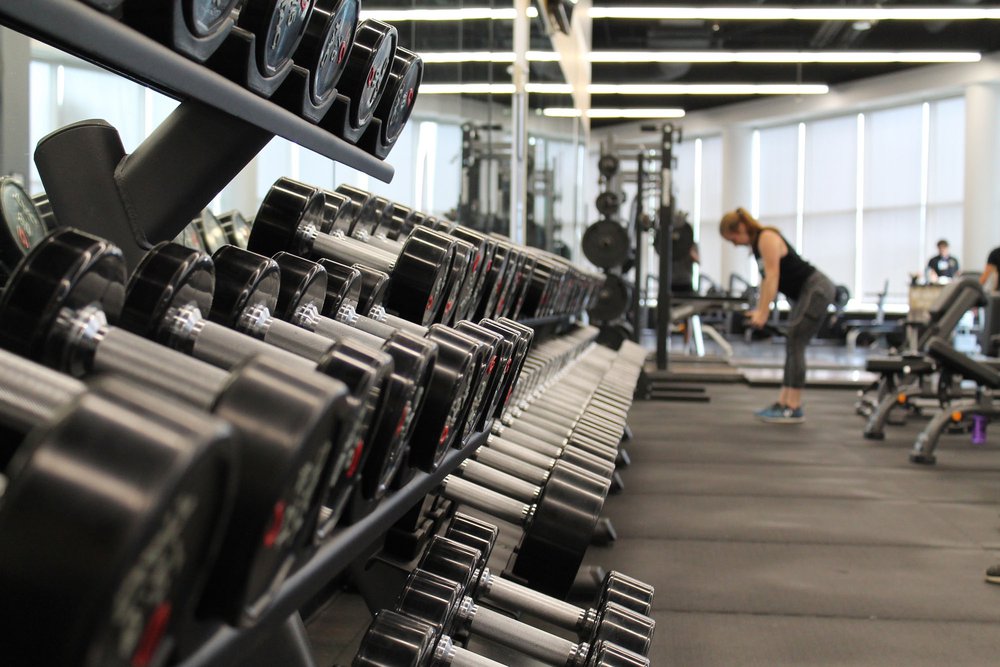
You have two main options. Adjustable dumbbell sets let members dial in the exact load they want and save floor space, but they can get expensive at the volume a busy gym needs, and a wall of them looks sparser than a full rack. Traditional fixed-weight dumbbells take more room but signal selection and let several members train at once. Many gyms run both. For CrossFit specifically, adjustable sets work well, but a fully stocked dumbbell rack is hard to beat for throughput during classes.
Barbells
These are the bars you load with plates and collars. In CrossFit, it's common to use an empty or lightly loaded bar for technique and conditioning work, too. Bars come with their own weight ratings and intended uses: standard bars, Olympic bars, trap bars, and yoke bars for squatting, plus specialty options like cambered, Swiss, and curl bars. You don't need every type, but it helps to understand the range. If you collect equipment requests from members (a simple suggestion box works), you'll quickly learn which specialty bars are worth adding.
Squat Racks and Power Cages
A power rack, or squat cage, is a large, premium piece of equipment, and you'll want several. They let athletes load heavy safely, with built-in catches that protect against a failed rep. Compared to free squatting a bar off the floor, a rack makes squats, presses, shrugs, and bench work far safer. Keep up close maintenance on them. Racks are most associated with commercial gyms, but a handful belong in any CrossFit facility to support heavy strength work alongside your conditioning gear.
Calisthenics and Bodyweight
Calisthenics uses body weight as resistance to build strength, control, and balance. Serious bodyweight athletes will expect more than free weights, so make room for these.
Pull-up Bars
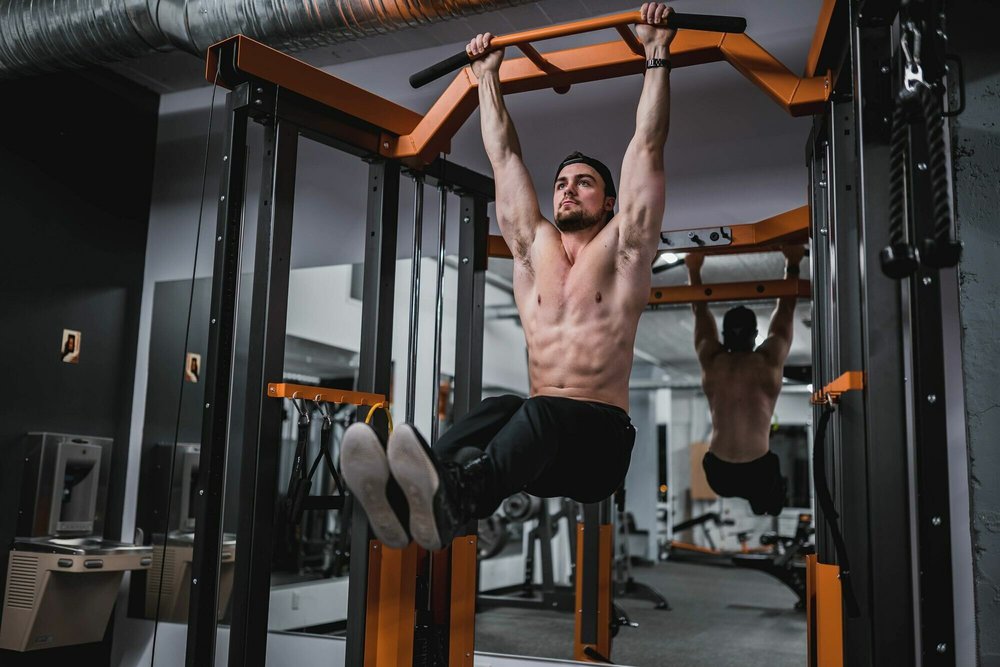
We're not talking about a doorway bar. Gym-grade pull-up bars are anchored into concrete or bolted securely to walls and framing, and they're a core piece of any CrossFit rig. Install them properly and rate them well above the load you expect. This is one area where members will immediately notice the difference between real equipment and a consumer product.
Dip Stations
Dips are a building block of bodyweight training. A dip station looks like a half-height cage and lets athletes press their own body weight. The forces involved are significant, so anchor and position these carefully. They don't take much floor space, and since you rarely see a dozen people dipping at once, a few stations usually cover demand.
Sit-Up Stations
Sit-up stations and adjustable benches often do the same job, since many benches drop into a decline position for core work. More advanced athletes may want a dedicated, higher-capacity station. These are inexpensive, and hybrid bench/sit-up units are a smart space saver, as long as they convert quickly between uses.
Push-Up Stations
A push-up station is a fixed bar mounted between two posts, usually anchored into the ground. They're common in outdoor setups but work indoors too, and you can install them at varying heights. Permanent in-ground mounting is involved to set up, and the bars need to handle real load, so they aren't cheap, but they're far more affordable than a major cardio machine and serve both calisthenics and CrossFit athletes.
Cardio Equipment
Conditioning is central to CrossFit, and cardio machines also bring in members focused on weight loss and general fitness. These are the workhorses.
Rowers
Rowing machines blur the line between cardio and full-body training, working the legs, back, core, and arms in one movement. They're a CrossFit staple. Options include air, water, hydraulic, and magnetic-resistance rowers, each with a different feel. Air and water rowers scale resistance to the user's effort, which suits high-intensity intervals well. Rowers are reasonably compact and a genuine draw for new members.
Air Bikes
Air bikes are among the best conditioning tools you can buy, and they're a fixture in CrossFit programming. Resistance comes from a fan, so the harder and faster someone pedals, the more it pushes back. That makes them self-scaling for any fitness level, with little maintenance on your end. They're tough enough for elite athletes and approachable enough for beginners, which is exactly the range a CrossFit gym serves.
Treadmills
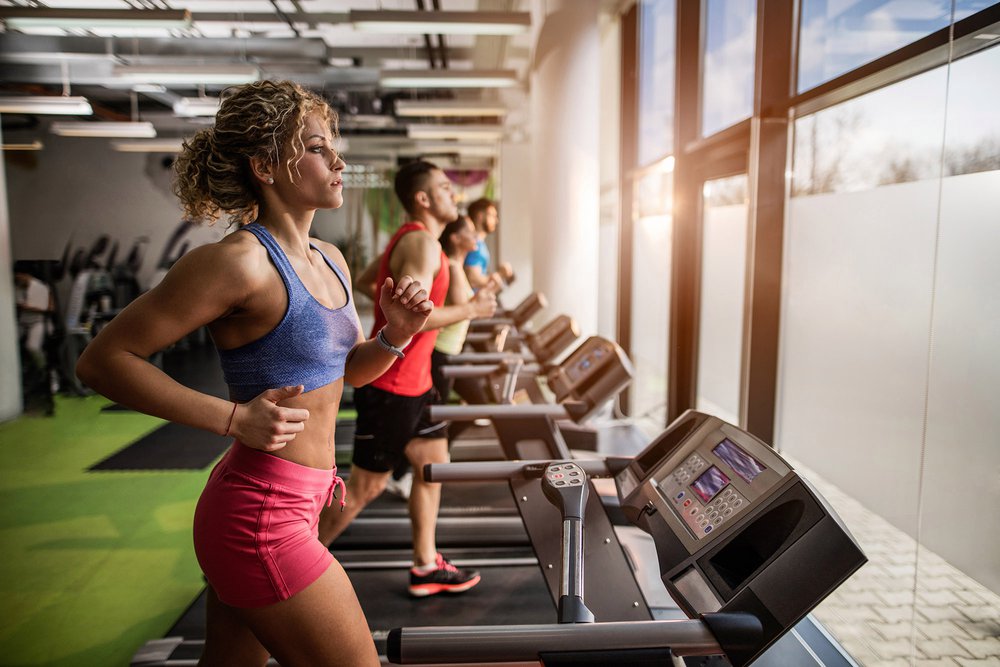
Treadmills aren't the first thing people picture in a CrossFit gym, but they earn their place by broadening your appeal, especially for members focused on weight loss or steady-state running. They're relatively space-efficient. Buy for quality: the reviews on budget treadmills are full of frustrated owners, and a reliable machine in a well-run gym is part of what members are paying for.
Exercise Bikes
"Exercise bike" covers upright, recumbent, and spin bikes, each serving a different purpose, so decide what you want before committing. Spin bikes are the most versatile because they can anchor revenue-generating classes. Whatever you choose, understand the maintenance schedule and match it to what your team can support. Plenty of people own a bike at home, so your job is to offer better equipment in a better environment than they'd get on their own.
CrossFit Related
These are the pieces most associated with CrossFit. They take space, but they're what makes a gym feel like a true box, and several are required or expected for affiliation.
Plyo (Jump) Boxes
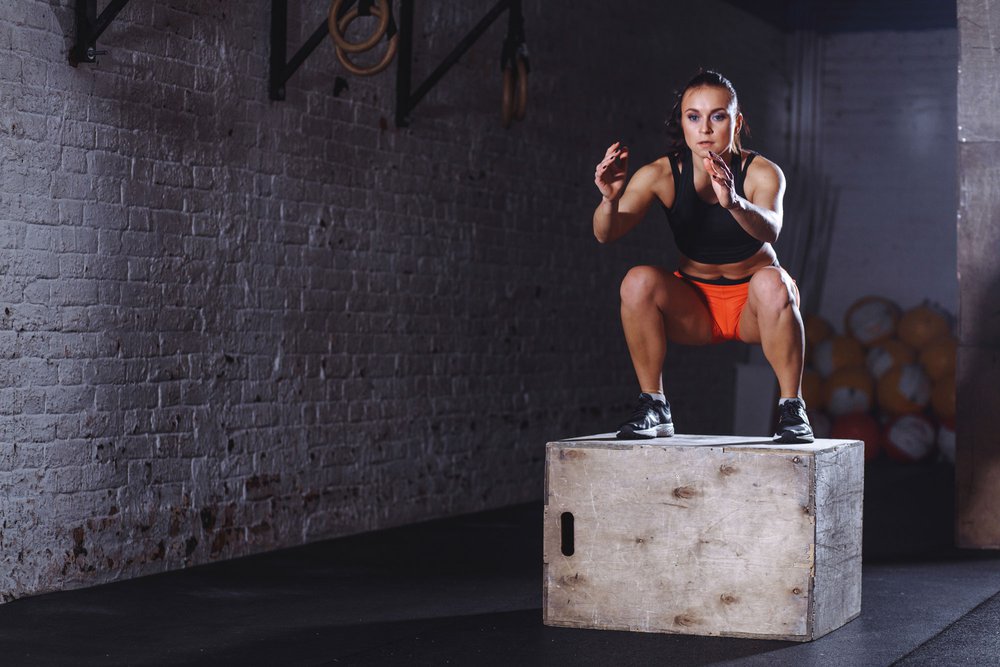
Jump boxes are arguably the most recognizable piece of CrossFit equipment. Box jumps and step-ups develop explosive power and work everything from calves to glutes. Plan dedicated space for them and make sure they're stable. The combined force of landing and the athlete's weight can tip a poorly placed box, so a clear, designated zone is worth setting up.
Climbing Ropes
Rope climbs are brutal on the core, grip, and upper body, and they're a classic CrossFit skill. You don't need a climbing wall, just a securely anchored rope running vertically from sufficient height, indoors or in an outdoor section. Keep heights reasonable, lay protective matting underneath, and keep safety gear nearby. You can train a lot of muscle in a short climb.
Battle Ropes
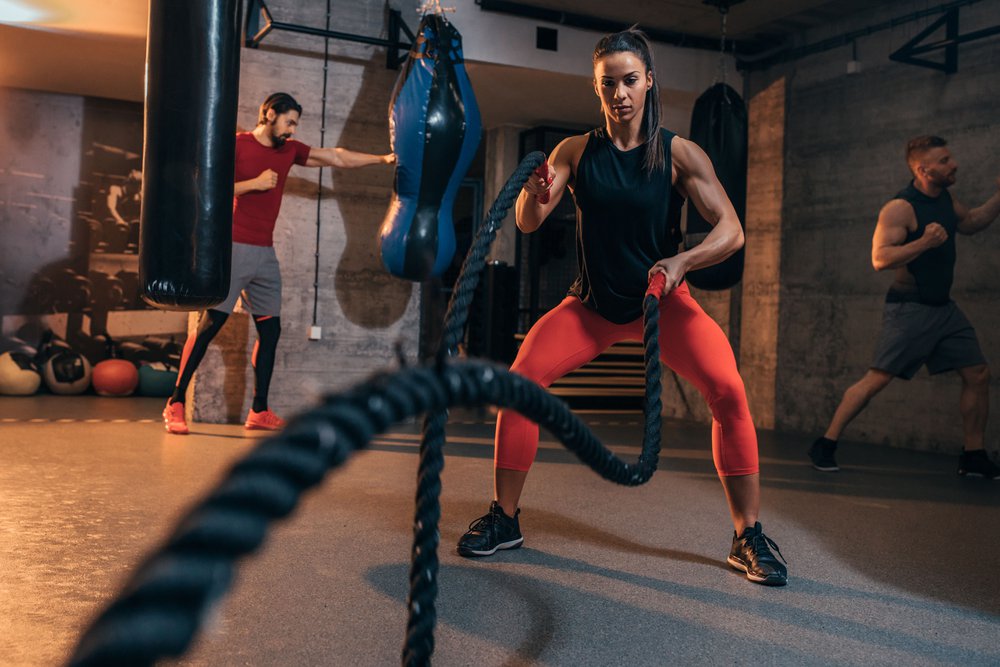
Battle ropes need open space and solid anchor points, but they're quintessentially CrossFit. They come in different lengths, thicknesses, and grips, so stock a couple of variations for different ability levels. Maintenance is minimal beyond keeping the handles clean, and quality is fairly consistent across brands, so you don't need to overspend.
Tires
Tire work is one of the most iconic images of a CrossFit gym. Storage and upkeep are simple; the cost and logistics of sourcing the tires are the harder part. You'll also need flooring that can take the abuse and enough room for several people to flip at once. Decide on sizes before going all-in, and plan a dedicated space, because tires add up fast.
Pushing Sleds
Pushing Sleds
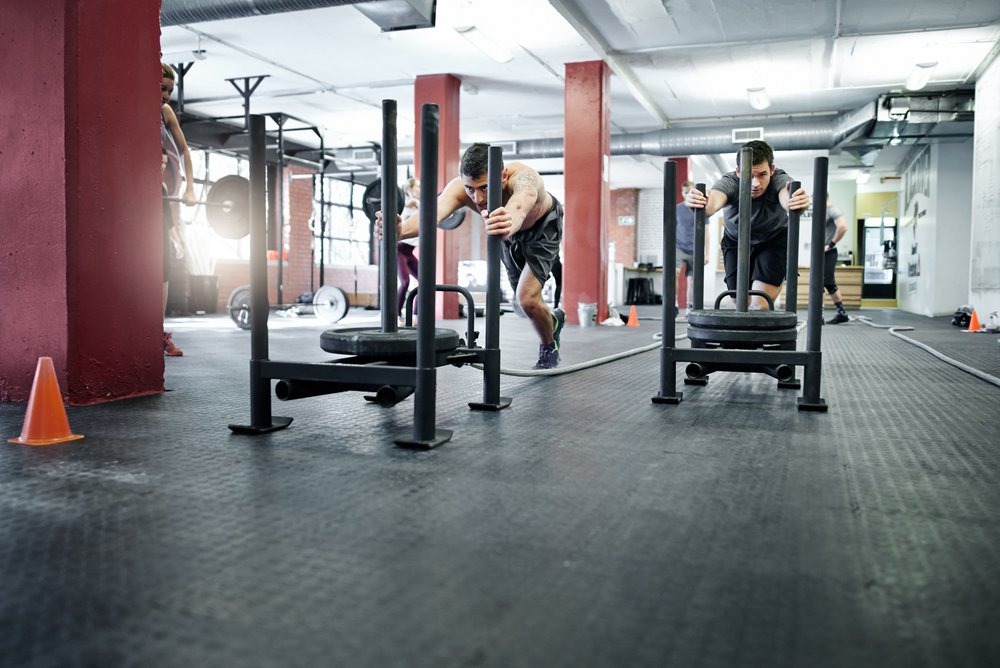
Sleds are a fantastic investment because they hit so many muscle groups, from glutes and hamstrings to core and triceps, and they're a major draw for CrossFit athletes. Basic models have a single center post for plates; more advanced sleds let you distribute load across positions. You can push for power, for endurance, or build them into competitive workouts, which is great for member engagement and retention. Just budget plenty of floor space.
Gymnastics Rings
Rings serve both CrossFit and calisthenics athletes. Once you've got stabilization down, ring work builds serious back, upper-body, and core strength through movements like support holds, ring rows, and tuck inverts. They mount from a rig or pull-up structure, so keep them with your gymnastics and bodyweight equipment and make sure your anchor points are rated for the load.
Glute-Ham Developer (GHD)
The GHD is a niche but worthwhile machine. It trains the glutes and hamstrings far more effectively than most bodyweight alternatives, and it's a staple of CrossFit's core and posterior-chain work. It takes some technique to use safely, so one or two units is usually plenty, and a quick how-to posted nearby helps new members avoid straining their knees or backs.
Nice-to-Have Extras
You've covered the essentials. These extras serve niche needs and belong at the bottom of the priority list, but they're worth adding as budget allows.
Weightlifting Belts
This is a courtesy item. Most serious lifters bring their own, but having a few on hand helps newer members who show up unprepared or haven't used one before. Since they're a personal item, four to six is plenty.
Parallettes
Parallettes look like tall push-up bars but are used for gymnastics work, simulating full-scale parallel bars in a compact footprint. They store easily and are especially useful for beginners building toward harder skills. Track how often they get used; heavy demand might justify installing full parallel bars later.
Push-Up Bars
Different from push-up stations, these are small bars with rubber feet that sit on the floor. They give newer members the support and wrist relief to build toward unassisted push-ups, which makes them a friendly addition for a gym that wants to welcome beginners.
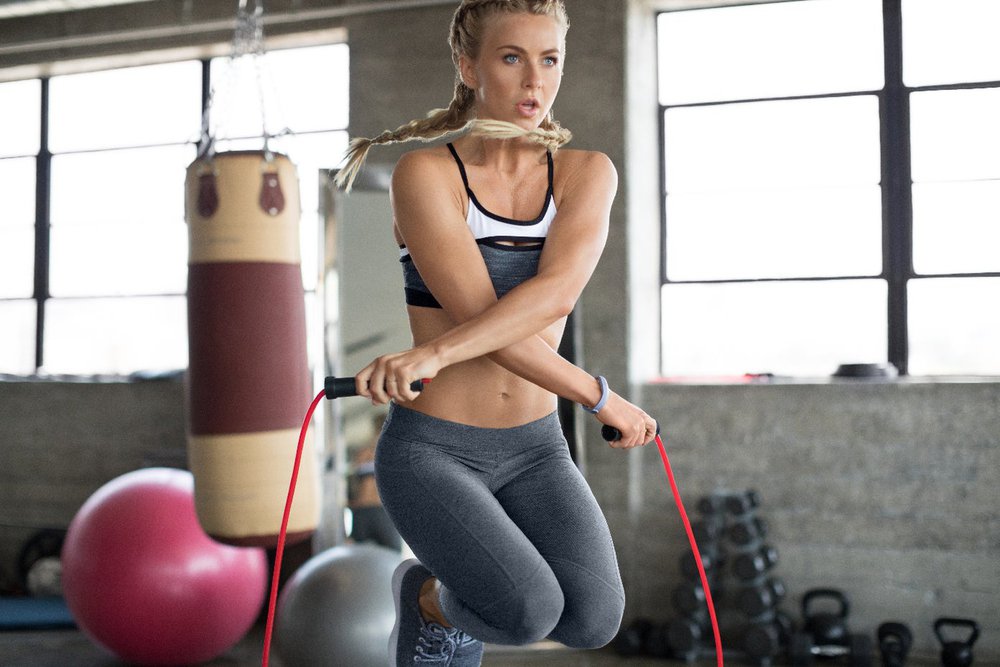
Jump Ropes
Keep a few jump ropes available for members who want them. Rope work is excellent conditioning and builds calf and glute strength, and double-unders are a CrossFit staple. Jumping rope rivals running for intensity while burning more calories in less time, which makes it popular with conditioning- and weight-loss-focused members alike.
A Note on the Extras
Keep a running list of these smaller items and store them behind the front desk rather than cluttering the floor. A simple sign reading "Ask the front desk for jump ropes, belts, and more" keeps them accessible without taking up space.
Beyond the Equipment
Kitting out the gym is only half of opening a CrossFit box. Once the rig is bolted down and the bumpers are racked, you still have to run the business: managing memberships, scheduling classes, processing billing, tracking attendance, and keeping members coming back. That operational side is where a lot of new owners get stretched thin, and it's exactly what gym management software is built to handle.
PushPress helps CrossFit affiliates and gyms manage memberships, billing, scheduling, and retention from one platform, so you can spend less time on admin and more time coaching. If you're building your gym from the ground up, it's worth setting up your management system as deliberately as you choose your equipment.
Book a demo to see how PushPress works for CrossFit gyms →
Resources for Gym Owners
Playbooks, checklists and on-demand webinars — every one built from an interview with an owner who runs the system.
Ready to scale your fitness business?
Try our hassle-free gym management software loved by thousand of successful gym owners.
PushPress is the reason my gym became profitable.
What to Do When a Gym Member Tells You They Have Cancer
A cancer rehab specialist's 3-step plan: what to say, when to refer out, and how to keep them training.

Putting in the Reps: What Changed at PushPress in Q3
280+ fixes and improvements across booking, check-in, and billing, plus what we're focused on next.

Glofox Pricing in 2026: What $99 a Month Actually Gets You
$99 a month gets you a gym that can't take waivers, sell a shirt or collect a lead from its website.
Follow along and build a better gym with us
Get actionable strategies and ideas to help you grow your gym and manage it successfully, in your inbox every week!