How to Hire a CrossFit Coach Who Actually Sticks

Published
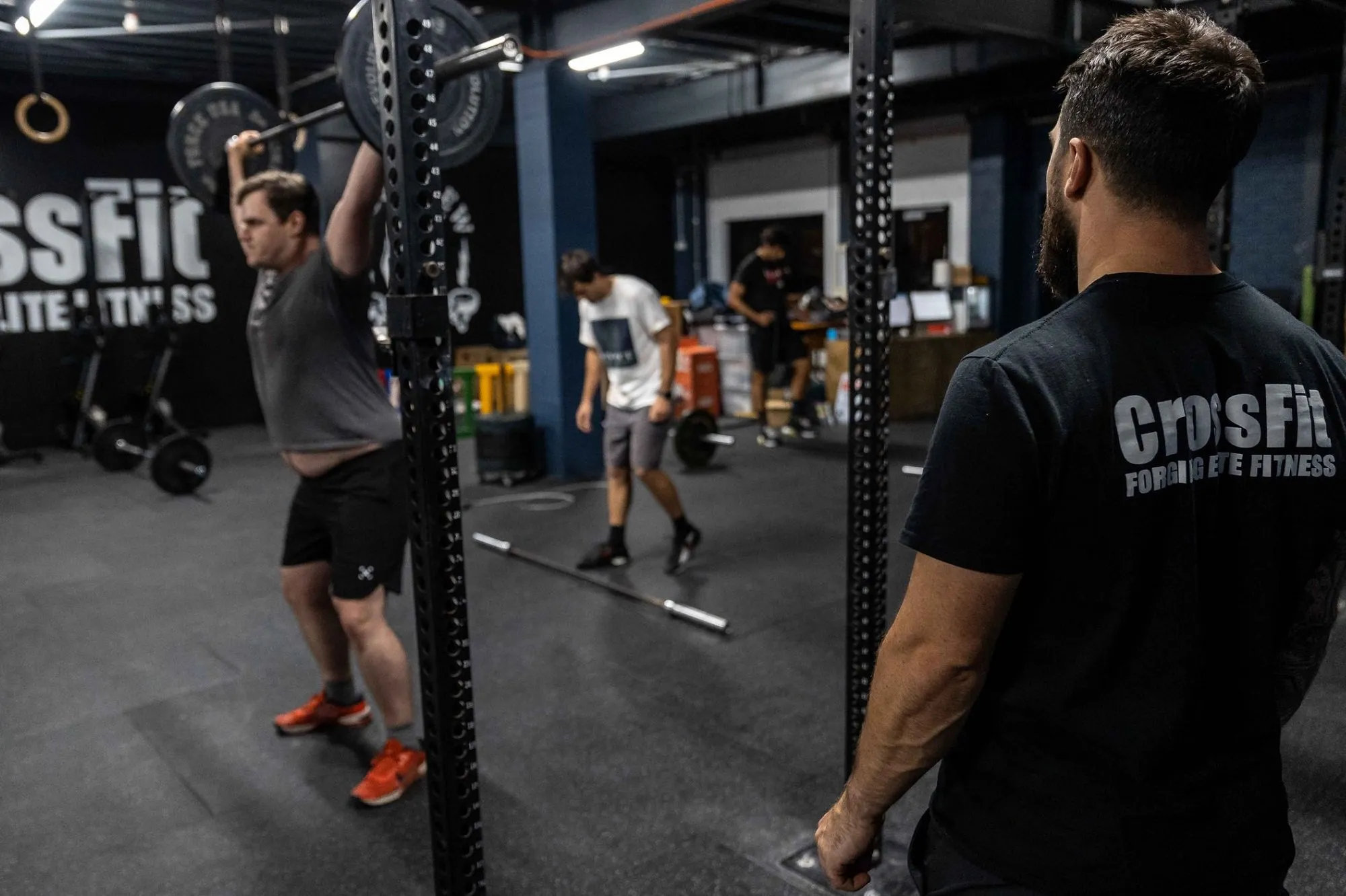
TL;DR
This guide is based on expert advice from Nic Johnston, PRVN CEO, and Dwight Upshaw, PRVN Director of Global Affiliates, whose network spans more than 600 gyms. The duo from PRVN joined Zach Forrest for a webinar on June 18, 2026 to discuss how to hire and keep CrossFit coaches who actually stick. You can watch the full webinar here.
Hiring a CrossFit coach who actually sticks comes down to three things: sourcing the right people, vetting them for culture before skill, and giving them a reason to stay once they're in. The owners who get this wrong hire fast to fill a gap, then end up covering classes themselves a month later. The ones who get it right treat hiring as something they do on purpose, well before a slot opens up.
This guide walks through the full process, drawn from a PushPress webinar with two people who have done it at scale: Nic Johnston, CEO of PRVN Fitness, and Dwight Upshaw, Director of Global Affiliates, whose network spans more than 600 gyms worldwide.
It's written for CrossFit and functional fitness owners. If you run a different kind of gym, the broader version applies: How to Hire (and Keep) Great Gym Coaches.
Why a rushed hire costs more than an empty slot
The most expensive hire is the one you make out of need.
When you hire fast to fill a gap, you tend to skip the parts that matter: culture fit, hunger, how they actually treat members. The new coach doesn't meet your standard, members start to complain, and the quality of what you offer slips. Then you have to have the hard conversation, let them go, and cover their classes until you find someone better.
Dwight has lived it. After one hire didn't work out, he coached more than 30 classes a week for five or six weeks straight. His takeaway is worth writing down: hire slow, fire fast. An open slot is uncomfortable, but it's cheaper than the wrong person in it.
The fix isn't to hire faster. It's to build a pipeline so you're never hiring from a place of desperation in the first place.
How to source coaches who fit your gym
Good candidates come from three places. The best owners pull from all three at once so there's always a steady drip of people to consider.
1. Your own membership
Your next coach is probably already working out in your gym.
Look for the members who show up early, move well, are coachable, and build relationships without being asked. They already live your culture, they know your members, and people already look up to them. That's most of the job before they've coached a single class.
Dwight's best hire ever was a member, a college student who came up through the gym from age 18 to 21, then started coaching. Because he'd been part of the community for years, he already understood the methodology, the standard, and the people. You can't hand someone that in an onboarding doc.
The move here is to plant the seed early. When you spot a high-potential member, tell them: "There's no role open right now, but I'd love for you to start shadowing some classes." Build the bench before the seat is empty. (For the full playbook on developing members into coaches, see Build the Bench: How to Hire Coaches From Your Own Membership.)
2. Job boards
When you need to reach beyond your four walls, job boards bring in experienced, full-time coaches, often people relocating to your area.
For functional fitness and CrossFit gyms, Barbell Jobs and Indeed are the most common starting points. The risk with job boards is the polished résumé that doesn't match your culture. Someone can have eight to ten years of experience and a great-looking history and still be wrong for your gym.
That's why the job post itself matters. Be specific about the role, the standard, and the expectations. A clear post brings in fewer but better-matched candidates, so you're not whittling through a stack of people who were never a fit.
3. Referrals
Referrals are the single most reliable source.
At PRVN, the coaches who stick almost always come through a personal referral. A trusted human vouching for someone cuts the learning curve and filters out most of the risk before the first conversation. The hires that have caused problems were the ones who came in cold, with no direct connection.
The CrossFit world is small. Use that. Ask your best coaches and members who they'd vouch for.
How to vet for culture, not just credentials
Once you have candidates, the goal of vetting is simple: find out who they are when they're on the floor, not just how they interview.
Hire for hunger over experience
Between an experienced candidate who looks great on paper and a green one who is hungry and wants to grow with you, the hungry one usually wins.
As Nic put it, ten times out of ten they'd rather take someone with less day-one experience if they bring genuine excitement and want to learn. Skills can be taught. The drive to show up, connect, and build can't. The one condition: your culture has to be clearly defined first, so there's a framework for that person to grow into.
Ask open-ended interview questions
The best interview questions get the candidate talking so you can hear where their motivation actually sits. Dwight's approach is to ask open-ended questions, then say less.
A few that reveal a lot:
- What motivates you to coach?
- What gets you in front of a class and makes you really coach people?
- Where do you want to be as a coach in two or three years?
That second question is the tell. There's a difference between facilitating a workout and coaching it. A real coach lights up describing a specific moment, like helping someone get their first muscle-up. A clock-puncher describes logistics. (We pulled Dwight's full set into a free resource: The 7 Interview Questions That Reveal a Real Coach.)
Use a shadow-to-lead trial
Interviews tell you how someone talks. The trial tells you how they coach.
For an outside hire, have them shadow a couple of classes. Don't focus on their coaching yet, watch how they talk to members and whether they engage. Someone who can't connect during a shadow is a red flag. From there, layer responsibilities: have them lead a warm-up, then a segment, then a full class with you as the secondary. Put a few of your own coaches in that class to feel out the experience as a member would.
For a member getting their Level 1, the ramp is longer. Let them shadow, then quiz them in real time: "This member has a knee issue and we're going into back squats, where do you take them?" You're not looking for a perfect answer. You're looking for a thoughtful one.
Throughout, watch three things:
- Connection. Are they building real relationships with members?
- Intention. Are they deliberate about what they're doing and why?
- Presence. Are they actually here, or checked out?
Write those three words at the top of your notes. If a candidate's behavior doesn't line up with them, that's your pause.
Let them fail on purpose
This one feels backwards, but it's some of the best advice in the whole process.
Put candidates in positions where they might fail, and watch how they respond. You learn far more from how someone handles a stumble than from coddling them through. The key, in Nic's framing, is to make failure safe: set it up so a misstep doesn't cost your members anything. A slightly disjointed warm-up led by a trial coach is fine. Members understand someone is learning.
If a candidate can't handle a little pressure during the interview, the easiest and most flattering stage of the relationship, you have your answer.
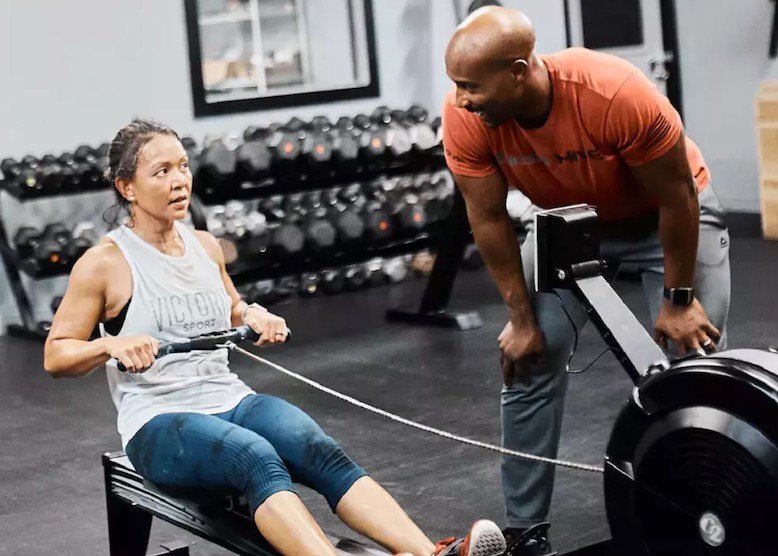
How to retain the coaches you hire
Hiring well is half the job. Keeping good coaches is just as important as keeping paying members, and it comes down to two things.
Set a clear standard
Coaches stay when they know exactly what's expected.
Roles, responsibilities, and the standard have to be defined up front. Counterintuitively, this is what creates ownership. Ownership doesn't come from giving coaches free rein to do whatever they want. It comes from knowing the standard, knowing how to meet it, and being trusted to own their piece of it. When a whole team is meeting a shared standard, people feel part of something bigger, and that drives retention.
A big part of that is operational. Give your coaches the tools to own their day-to-day instead of waiting on you for everything. With the PushPress Staff App, coaches see their schedule, prep for class with rosters and member notes, and check members in from their phone, so they can take real ownership of their sessions.
Invest in their growth
The second half of retention is investment. If it feels one-sided, where all you care about is what the coach gives your gym, good people quietly find the door.
Give coaches room to grow their own brand inside your gym:
- Let them run seminars in their area of expertise, and let them earn from it.
- Let them build a program. Dwight made himself a head coach by starting an endurance program and then a teens program, both of which grew the gym by adding something it didn't have.
- Develop them toward personal training, where members fund the coach's income directly.
- Offer continuing education, a stipend, or help paying for certifications, especially for long-tenured coaches.
When you invest in your coaches, they invest back in your business. A part-time coach who brings a new niche is worth far more than someone filling two hours on the schedule.
How to pay coaches who run their own programs
A common question once coaches start building: how do you split the money on seminars, PT, or specialty programs?
It depends on who's doing the work. If a self-starting coach develops the program, markets it, and runs it on their own time when the gym is otherwise closed, a roughly 75/25 split in the coach's favor makes sense. They're effectively handing you revenue you weren't generating.
Flip it when the gym creates and markets the program and the coach just shows up to run the hour. Then the split tilts toward the gym, though the coach should still earn more than a standard class rate because seminar prep takes real work, closer to a personal training rate.
The bigger principle, from Nic: don't step over dollars to pick up pennies. If a program keeps coaches engaged and members happy, the lifetime value more than covers a generous split.
The one thing to get right before you hire anyone
If you take one thing from all of this: define your mission, vision, and values before you hire a single person.
You can't hire the right people if you don't know what your culture is or what you're trying to build. Get clear on who you are and what your standard is, then hire on purpose for people who meet that standard, build your community, and fit your culture. Everything else, sourcing, vetting, retention, gets easier once that north star is in place.
If you're still in the early stages of opening, that culture work starts well before your first hire. Our step-by-step guide to starting a gym covers everything that comes before staffing.
Frequently asked questions
Where do the best CrossFit coaches come from?
Most often from your own membership and from personal referrals. Members already understand your culture, and referrals come pre-vetted by someone you trust. Job boards like Barbell Jobs and Indeed are useful for reaching experienced coaches, especially those relocating.
Should I hire for experience or culture fit?
Culture fit and hunger, in most cases. An experienced coach who doesn't match your culture creates more problems than a green coach who's eager to learn, as long as your culture is clearly defined for them to grow into.
How long should a coach trial last?
Long enough to see them on the floor. Use a shadow-to-lead ramp: shadowing, then leading warm-ups and segments, then a full class. Outside hires with experience can move faster. Newer coaches getting their Level 1 should take more time.
How do I keep my best coaches from leaving?
Set a clear standard so they know how to succeed, give them ownership of their day-to-day, and invest in their growth through seminars, programs, PT opportunities, and continuing education. When you invest in them, they tend to invest back.
Want to coach less and build a team that runs without you in every session? See how PushPress helps you manage your staff and your gym.
Resources for Gym Owners
Playbooks, checklists and on-demand webinars — every one built from an interview with an owner who runs the system.
Ready to scale your fitness business?
Try our hassle-free gym management software loved by thousand of successful gym owners.
PushPress is the reason my gym became profitable.
Your Sales Script Has Drifted. Here's How to Retrain Your Team Before January
Nobody abandons the sales process. They lose 5% of it at a time until the close rate drops.

How to Set Up Online Trial Class Intake (And Stop Losing Leads Before They Walk In)
Every hour between inquiry and a confirmed booking is a chance to lose the lead. Here's how to close that gap.

The Gym Walkthrough: How to See Your Facility Like a First-Timer
Your gym has problems you stopped seeing years ago. Here is how to find them before a prospect does.
Follow along and build a better gym with us
Get actionable strategies and ideas to help you grow your gym and manage it successfully, in your inbox every week!