How to Pick the Perfect Gym Location

Published
· Updated
TL;DR
The 10 Criteria at a Glance
Use this as your sniff test. If a space fails on more than two of these, walk.
- Drive time — within a 7–10 minute drive of your member persona's homes or workplaces.
- Visibility — seen by 10,000+ cars/day, or right on a high-foot-traffic walking corridor.
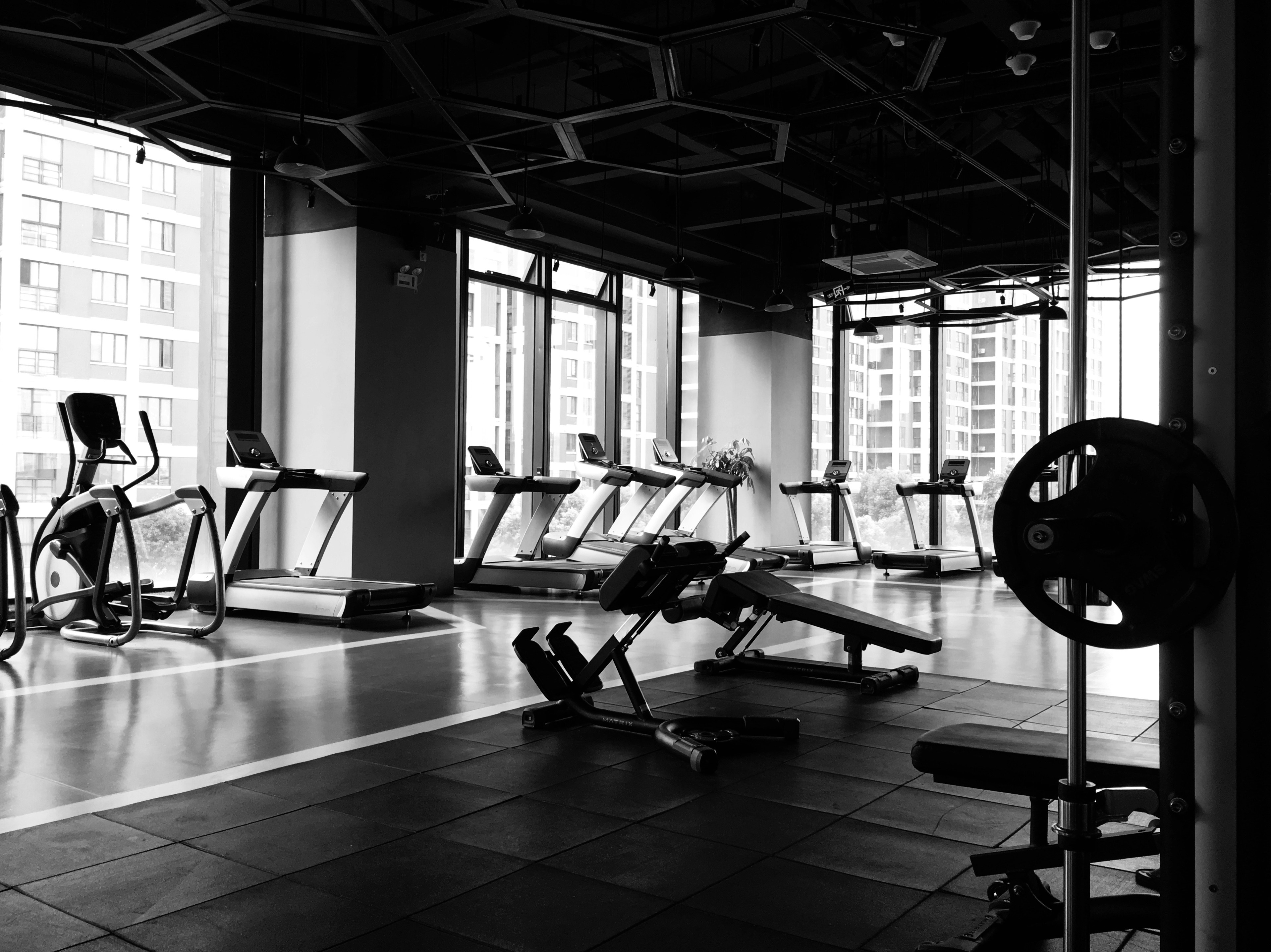
- Parking — at least 1 spot per 2 concurrent members at peak.
- Square footage — 50–80 sq ft per concurrent member for group training; more for boutique.
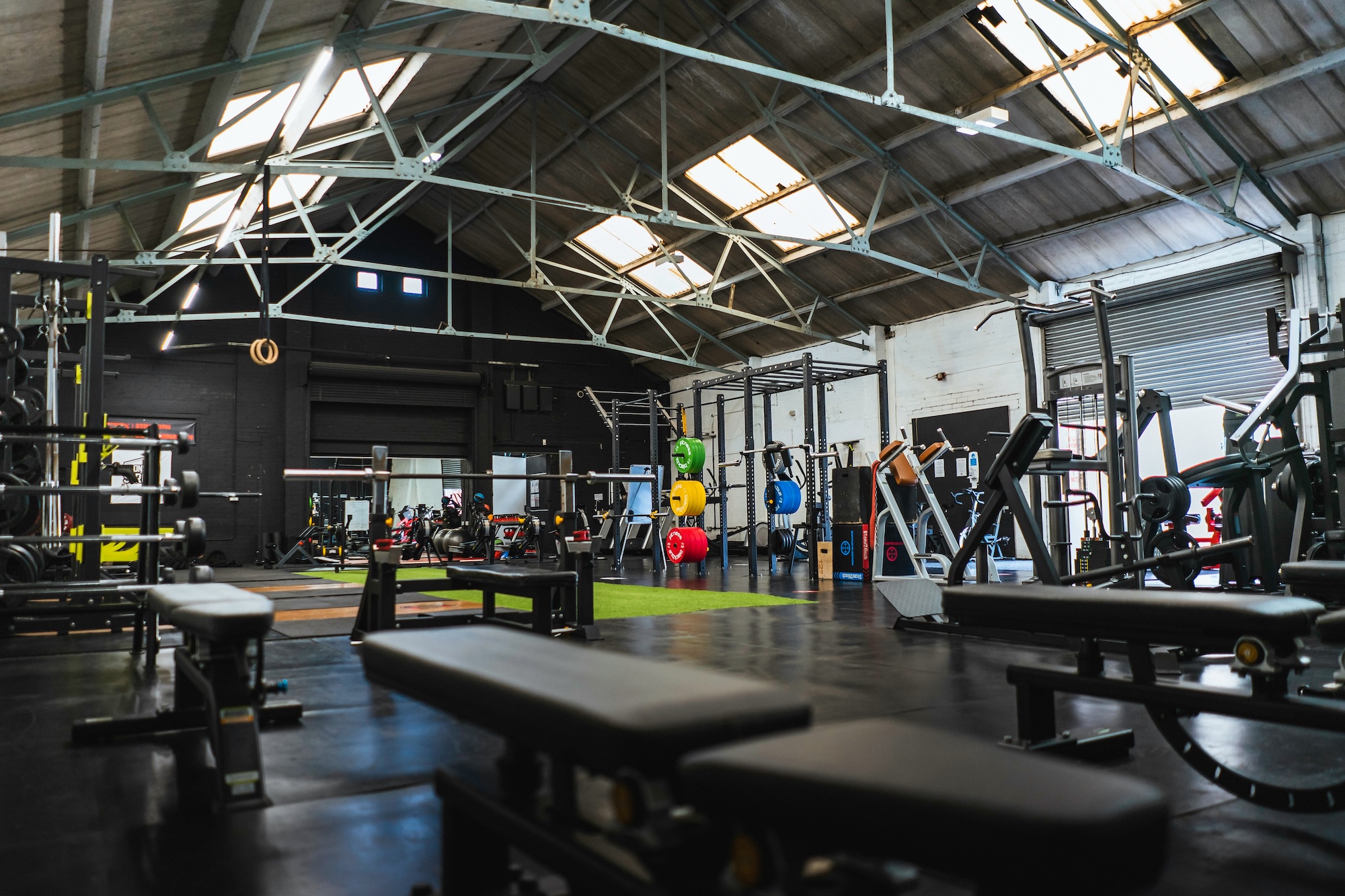
- Ceiling height — 12 ft minimum for olympic lifting; 14 ft+ for rigs and rope climbs.
- Plumbing & HVAC — adequate for 30 sweating bodies and post-workout showers.
- Power — 200-amp service minimum; 400-amp if you're running multiple assault bikes plus AC plus sound.
- Neighbor mix — coffee shops and juice bars, not 2 a.m. bars or noise-sensitive offices.
- Zoning — fitness use permitted in writing, with occupancy and any required permits achievable.
- Build-out cost — second-generation fitness space saves $30–$80 per sq ft over a raw shell.
Location is the single biggest decision you'll make as a new gym owner that you can't easily un-make. You can re-brand. You can re-price. You can fire and rehire coaches. But once you sign a 5-year lease on the wrong building, you're either eating six figures in losses to break it or grinding for half a decade in a space that's quietly capping your growth.
Most owners get this wrong for the same reason. They fall in love with the building — the high ceilings, the cool exposed brick, the rent that feels affordable — instead of falling in love with the demographics, the drive time, and the visibility. They sign too fast because the landlord has "another offer," and they spend the next four years explaining to friends why nobody can find them.
This is Step 5 of How to Start a Gym. Location and lease are two separate decisions: pick the spot here, then negotiate the terms in How to Negotiate a Gym Lease.
1. Drive Time to Your Member Persona (the 7–10 Minute Rule)
The single most reliable predictor of whether someone joins your gym is how long it takes them to get there from home or work. Industry benchmarks across boutique fitness, CrossFit, and yoga land in the same place: 7 to 10 minutes is the comfortable maximum, and conversion drops sharply past 12.
That means your job isn't to find the "best part of town." It's to find a space inside a 10-minute drive radius of where your member persona actually lives or works.
If your persona is "women 35–55 in dual-income households who drive their kids to school," map the elementary schools, the grocery stores they shop at, and the offices they commute to. Drop a 10-minute drive-time isochrone (Google Maps will do it crudely; tools like Esri or Placer.ai do it precisely) and only look at spaces inside that ring.
If you haven't done this work yet, do it before you tour a single building. Our full walkthrough on how to do market research for a gym shows exactly how to size the addressable market inside that radius — and it'll tell you fast whether the area can support the gym you're trying to build.
A quick gut-check on gym demographics for the radius you're considering:
- Population density of at least 15,000–25,000 within a 10-minute drive for group training.
- Median household income that supports your pricing (rough rule: monthly membership shouldn't exceed 0.4% of median household income).
- A daytime population that overlaps your hours — if you're targeting working professionals at 6 a.m. and 5:30 p.m., the area needs commuters, not just retirees.

2. Visibility From the Road (the "Best Locations to Open a Gym" Are Seen)
Two spaces, same square footage, same rent, same town. One is on a 4-lane road that 18,000 cars pass per day. The other is in an industrial park behind a self-storage facility. The first one will out-perform the second by 30%+ on walk-in leads, and the difference compounds for years.
A few rules of thumb on visibility:
- Roadside traffic counts. Your state DOT publishes Average Annual Daily Traffic (AADT). 10,000+ cars/day is the floor; 20,000+ is excellent.
- Sight lines. Can drivers see your sign from 200+ feet out, with time to slow down? A space hidden behind a tree line or set back 100 yards from the road is invisible.
- Walking visibility. In dense urban areas, foot traffic on the sidewalk matters more than car counts. Look at pedestrian corridors with retail anchors.
- Signage rights. Verify in the lease that you can put up the sign you want — height, lighting, monument or pylon. We've seen owners sign leases only to find out the HOA forbids backlit signs.
If a space has poor visibility, the rent needs to be 30%+ below market to make sense, because you're now paying for that visibility in marketing spend forever.
3. Parking — the Silent Killer
Parking is the #1 thing new owners under-weight, and the #1 reason members quietly stop coming to your 5:30 p.m. class.
The math: a class of 20 members, plus a coach, plus the previous class still chatting, plus the next class arriving early. That's 35–45 cars wanting a spot in a 20-minute window. If your space has 12 spots shared with a busy restaurant, you have a problem that no amount of programming or coaching will fix.
Rule of thumb: at least 1 parking spot per 2 concurrent members at peak, plus a buffer for class overlap. For a 25-person group class, you want 15+ dedicated spots within easy walking distance.
What to verify before signing:
- Total spots in the lot, and how many are exclusively yours vs. shared.
- Peak-hour parking conflicts with neighboring tenants. Visit at 6 p.m. on a Tuesday and a Saturday at 10 a.m.
- Overflow options — street parking, neighboring lots with cross-easements, etc.
- Whether the city is planning anything (bike lanes, sidewalk widening) that could remove spots in year 2.
4. Square Footage That Fits Your Model
Too small and you're capacity-capped before you break even. Too big and you're paying rent on dead floor for years. The right number depends entirely on your model.
Rough sq-ft-per-concurrent-member math:
- Group training (CrossFit, S&C, bootcamp): 50–80 sq ft per concurrent member. A 25-person class needs 1,250–2,000 sq ft of training floor, plus 500–800 sq ft for entry, bathrooms, and office. Total 2,000–3,500 sq ft.
- Boutique fitness (yoga, pilates, cycle, barre): 25–35 sq ft per concurrent member on the floor, plus 1.5–2x that for showers, lockers, and lobby. Total 1,800–3,500 sq ft for a 30-person studio.
- Strength gym / open gym: 40–60 sq ft per concurrent member, but you need more equipment density. Plan 2,500–4,000 sq ft.
- Personal training studio: 250–400 sq ft per active session. A 2-trainer studio runs 800–1,200 sq ft.
Match the square footage to your peak concurrent capacity, not your total membership. A 100-member CrossFit gym usually only has 18–25 in any given class.
For a full equipment list and a sample floor plan that ties to these numbers, see our gym equipment and floorplan guide.
5. Ceiling Height (Don't Find Out Too Late)
This is the one detail that owners forget on the tour and regret for the entire lease.
Minimums by model:
- Olympic lifting / general strength: 12 ft clear. Less than that and overhead squats and snatches start hitting ductwork.
- CrossFit with rigs and rope climbs: 14 ft+ clear. Pull-up bars at 9 ft need at least 5 ft of headroom above for kipping.
- Boutique pilates with reformer towers and aerial: 12–14 ft depending on rigging.
- Yoga / barre / cycle: 9–10 ft is fine.
"Clear" means measured to the lowest hanging obstruction — sprinkler heads, HVAC ducts, light fixtures, beams. Bring a tape measure on every tour. A space advertised as "14-foot ceilings" often has 11-foot clearance under the ductwork.
6. Plumbing and HVAC Capacity
Sweating bodies generate heat and humidity at a rate most retail HVAC systems weren't built for. A class of 25 doing burpees can put out as much thermal load as a small commercial kitchen.
What to check:
- HVAC tonnage. Rule of thumb is 1 ton of cooling per 250–400 sq ft of training floor. So a 3,000 sq ft gym needs 8–12 tons. Most retail spaces have closer to 6.
- Ventilation / air exchange. ASHRAE recommends 20 cfm per person for fitness use. For a 25-person class, that's 500 cfm of fresh air — get an HVAC tech to verify.
- Plumbing for showers. A second-gen restaurant has the right rough-in. A second-gen office almost never does. Adding shower plumbing to a slab-on-grade office can cost $15,000–$40,000 to break and re-pour concrete.
- Hot water capacity. A 50-gallon residential heater dies in two showers. Plan for an 80-gallon commercial unit minimum.
7. Power Capacity (Assault Bikes, Sound Systems, AC Under Load)
The space has lights and outlets, sure. That doesn't mean it has the amps to run your gym at peak.
What you'll be drawing on at 5:30 p.m. on a hot Tuesday in July: 8 assault bikes (negligible), the sound system, video screens, the AC running flat-out, the water heater recovering, the coffee bar if you have one, plus all the LED lighting.
Minimums:
- 200-amp service for a 2,000–3,000 sq ft group training gym with modest AC.
- 400-amp service for anything larger, anything with significant boutique tech (cycle bikes with displays, smart mirrors, tanning, etc.), or hot southern climates with heavy AC load.
- Three-phase power if you're running anything industrial — saunas, large compressors, certain commercial HVAC units.
Get the panel inspected before you sign. Upgrading service from 100-amp single-phase to 400-amp three-phase is a $10,000–$30,000 utility expense, and the lead time from the power company can be 60–120 days.
8. Neighbor Mix — Good Neighbors vs. Noise and Parking Conflicts
Good neighbors send you members. Bad neighbors call code enforcement on you for the noise.
The good-neighbor list:
- Coffee shops, smoothie bars, juice shops.
- Athleisure stores, running stores, sporting goods.
- Physical therapy, chiropractic, sports medicine.
- Dentists, pediatricians, family practices.
- Pet stores and dog-friendly retail (your members own dogs).
The bad-neighbor list:
- Bars or restaurants open late — parking wars at your 6 p.m. and they generate noise complaints back at you for the 6 a.m.
- Recording studios, law offices, daycare centers — anything noise-sensitive that will complain about your 5 a.m. class dropping bumpers.
- Other gyms, unless their model is genuinely complementary (a yoga studio next to your CrossFit box is fine; another CrossFit box is not).
- Pawn shops, smoke shops, anything that drags down the curb appeal of the plaza.
Walk the plaza at three different times — weekday morning, weekday evening, Saturday midday — before you decide.
9. Zoning and Use Permissions (in Writing)
This is where well-meaning founders lose six months and tens of thousands of dollars: assuming a space is zoned for fitness because the landlord said it was.
Verify three things, in writing, before you sign:
- The zoning code allows fitness use. Pull the actual municipal zoning ordinance. "Commercial" or "retail" is not enough — many codes treat fitness as a special use requiring a conditional use permit.
- The certificate of occupancy permits assembly use at your expected occupancy. A space rated for 49 occupants is treated very differently from one rated for 50+ (sprinkler requirements, ADA, exit width).
- Any required permits are achievable in your timeline. Special use permits can take 60–180 days and require a public hearing. Build that into your launch timeline or you'll miss your opening.
This is one of the load-bearing pieces of our legal checklist to open a gym, and it's the #1 thing we'd put in writing in your letter of intent before any deposit changes hands.
10. Build-Out Cost vs. Second-Gen Savings
Two spaces at the same rent are not the same deal if one needs $80,000 of build-out and the other needs $10,000.
Rough build-out costs to put real numbers on this:
- Raw shell (warehouse, never built out): $50–$120 per sq ft. A 3,000 sq ft shell can run $150,000–$360,000 to make turn-key.
- Second-gen office: $30–$70 per sq ft. You're tearing out partition walls, drop ceilings, and probably re-doing flooring and HVAC.
- Second-gen restaurant: $20–$50 per sq ft. The plumbing rough-in is mostly there; you're mostly removing kitchen equipment and refinishing.
- Second-gen fitness: $5–$25 per sq ft. Mostly cosmetic — paint, flooring touch-up, your branding and signage.
A second-gen fitness space (a previous gym, yoga studio, dance studio) with adequate ceiling height and plumbing will save you $30,000–$100,000 over a raw shell, and you'll open 3–6 months sooner. That's often worth paying $1–$3 per sq ft more in rent.
When you negotiate, push hard for a tenant improvement allowance (TIA) and free rent during build-out. Both are standard. Walk through how to get them in our guide to negotiating a gym lease.
How to Actually Evaluate a Space — the Walkthrough Checklist
When you tour a finalist, treat it like a pre-purchase home inspection. What to bring and what to test:
Bring with you:
- A 25-foot tape measure.
- A laser distance measurer (Bosch GLM-20, $40 — measures ceiling height in 2 seconds).
- A circuit tester or, better, an electrician on the second walkthrough.
- A printed copy of these 10 criteria.
- Your phone, for photos and a decibel-meter app.
What to test, in this order:
- Ceiling height under every duct, beam, and sprinkler. Find the lowest point.
- Cell signal in every corner. Members need to check in.
- Water pressure. Run two faucets simultaneously. Flush a toilet while running a sink.
- HVAC. Stand under each return and supply. Ask for the tonnage and last service date.
- Electrical panel. Photograph the panel. Note the main breaker amperage and how full the panel is.
- Floor. Is it slab-on-grade or suspended? Suspended floors over a basement or parking garage will transmit dropped-bumper noise to your downstairs neighbor and end your lease.
- Walls. Knock on them. Drywall over steel studs (typical office) is acoustically thin. Demising walls between you and a neighbor matter for sound complaints.
- Bathrooms. Number of fixtures, ADA compliance, distance from the training floor.
- Loading. Can you get a pallet of equipment in the front door? Through any interior doors?
- The plaza at peak hours. Come back at 6 p.m. on a weekday and watch the parking lot.
Red Flags That Should Stop You Signing
Walk away — or renegotiate hard — if you see any of these:
- Landlord won't put zoning use approval in writing. They know something.
- Personal guaranty on the full lease term. Cap it at 12 months of rent or walk. (More on this in our lease negotiation guide.)
- No tenant improvement allowance offered, and rent at top of market. You're being asked to subsidize the landlord's vacancy.
- Triple-net (NNN) lease with no cap on CAM increases. Your CAM line can balloon 30–50% in year 2 if you don't cap it.
- No exclusivity clause. Six months in, the landlord leases the unit two doors down to a competing gym.
- Recent prior tenant was a fitness business that closed. Find out why. Sometimes it's the operator. Sometimes it's the space.
- The building owner is also operating their own gym in the area. You will not be their priority tenant.
- Vague language on signage rights, hours of operation, or HVAC responsibilities. Whatever's vague will be used against you later.
FAQ
Where is the best place to open a gym? The best place to open a gym is wherever you have the highest density of your specific member persona within a 7–10 minute drive, on a road or corridor with strong visibility, in a space with adequate parking, and in a building zoned for fitness use. There's no universally "best" type of location — strip malls work for some models, industrial flex space for others, ground-floor retail for boutique. Start with the demographics, then find the building.
How much square footage do I need for a gym? For group-training gyms, plan 50–80 sq ft per concurrent member, which usually lands at 2,500–3,500 sq ft total. Boutique studios run 1,500–3,000 sq ft. Personal training studios can work in 800–1,200 sq ft. Big-box gyms start at 8,000 sq ft. Match the square footage to your peak concurrent capacity, not your total membership count.
Is a strip mall or industrial space better for a gym? Strip mall: better visibility, easier walk-ins, higher rent, more parking conflicts, often shorter ceilings, more zoning permissiveness. Industrial flex space: lower rent, higher ceilings, easier to make noise, often worse visibility, occasional zoning friction, ample parking. Group-training and CrossFit gyms often choose industrial flex for the ceilings and noise tolerance. Boutique fitness almost always chooses strip mall or street retail for the visibility and walk-in traffic. Match the space type to the model.
How long should my lease be? Five years with two 5-year options to renew is the most common structure, and usually the right one for a first gym. Anything shorter and you risk losing your investment in the build-out; anything longer without options gets dangerous if your model evolves. The renewal options are the key — they keep you in control of your renewal terms.
How do I know if a neighborhood has good gym demographics? Three numbers: population density (15,000+ within a 10-minute drive), median household income (your monthly membership shouldn't exceed about 0.4% of it), and the daytime population overlap with your operating hours. Beyond that, look at competitor saturation — if the area already has 3 strong gyms in your model and they're not all full, demand is likely tapped. Our market research walkthrough covers exactly how to pull these numbers.
Should I lease or buy my gym building? For your first gym, lease. Buying ties up six figures of capital that's better deployed in the business, and you're locking in real estate before you know whether the location works. After you've operated profitably for 3+ years and you're confident in the location, owning the building can be a great long-term wealth play.
What's a fair rent-to-revenue ratio for a gym? Aim for rent (including CAM) to be no more than 15% of gross revenue at full capacity, and ideally 10–12%. If you're modeling rent at 25%+ of projected revenue, the location is too expensive for the gym you're building.
Pick the Building That Picks Itself
The right space won't have everything on this list, but it will pass the big four: it'll be inside your 10-minute drive radius, visible, parked, and zoned. Everything else you can fix with build-out money or work around in your operations. The four big ones, you can't.
When you find the space that passes, don't sign yet. The next chapter is where most of the money is made or lost: how to negotiate a gym lease — TIA, free rent, personal guaranty caps, exclusivity, the stuff landlords assume you don't know to ask for.
Part of the Start-a-Gym playbook. Next step: How to Negotiate a Gym Lease. Related: Finding Gym Space: Retail and Triple-Net Leases. See all nine steps: How to Start a Gym.
Resources for Gym Owners
Playbooks, checklists and on-demand webinars — every one built from an interview with an owner who runs the system.
Ready to scale your fitness business?
Try our hassle-free gym management software loved by thousand of successful gym owners.
PushPress is the reason my gym became profitable.
What to Do When a Gym Member Tells You They Have Cancer
A cancer rehab specialist's 3-step plan: what to say, when to refer out, and how to keep them training.

Putting in the Reps: What Changed at PushPress in Q3
280+ fixes and improvements across booking, check-in, and billing, plus what we're focused on next.

Glofox Pricing in 2026: What $99 a Month Actually Gets You
$99 a month gets you a gym that can't take waivers, sell a shirt or collect a lead from its website.
Follow along and build a better gym with us
Get actionable strategies and ideas to help you grow your gym and manage it successfully, in your inbox every week!